Small Rewards for Review Games That Are Not Candy
As educators, especially in middle school classrooms, crafting engaging review activities is a daily challenge. While candy often serves as an easy incentive, relying on sugary treats can distract from the core learning goals and isn’t always appropriate. Instead, I’ve found that small, thoughtful rewards tied to the game mechanics themselves can drive richer engagement, promote active retrieval, and deepen understanding — all without the sugar rush.
In this post, I’ll explore how to leverage rewards like extra hints, extra time, and the power to choose the next category within team-based review games. I’ll discuss structures that protect think time, encourage explanations, and foster student ownership through question writing. These strategies transform review from a passive rereading exercise into a lively, knowledge-building experience.
Why Active Retrieval Beats Passive Review
Before diving into the rewards and game structures, it’s important to understand why active retrieval is essential. Passive review activities – think: simply rereading notes or having students listen to answers – may seem harmless but often lead to shallow learning.
- Active retrieval requires students to pull information from memory, strengthening neural pathways.
- It reveals what students truly know and clarifies misconceptions immediately.
- Retrieval practice improves long-term retention, making review more effective.
Integrating reward systems that incentivize thorough explanations and critical thinking during retrieval encourages students to move beyond surface-level answers.
Team Challenges with Simultaneous Answer Reveal
One of my favorite ways to keep review games engaging without the chaos of constant blurting or long wait times is to structure them as team challenges with simultaneous answer reveals. Here’s why this setup works:

- Think time protection: Teams discuss answers quietly before revealing them all at once, preventing one noisy student from dominating.
- Equal participation: Each team member has the chance to contribute without pressure.
- Immediate feedback: Revealing all answers simultaneously allows for quick comparison and group reflection on differences.
To implement this, give each team a few minutes to discuss, jot down their answer on a whiteboard or paper, then reveal together. This method reduces the “blurting” that I find most frustrating and keeps all students engaged.
Rewarding Explanations and Identifying Why an Answer Is Wrong
Scoring based only on right or wrong answers can encourage guesswork and shallow engagement. Instead, I suggest rewarding students for two deeper actions:
- Providing explanations: After revealing answers, teams explain why their answer is correct.
- Identifying errors: Teams also get points for spotting and explaining why another team’s answer might be incorrect or less accurate.
These steps compel students to reflect critically, support their reasoning, and engage in respectful academic debate. The “why” behind answers is crucial; it encourages metacognition rather than blind memorization.
Small Rewards That Motivate Without Candy
Here’s where your “small rewards” toolkit comes in. Instead of candy, offer in-game benefits that are immediately relevant and meaningful to the learning experience. Consider these ideas:
Reward Description Why It Works Extra hint reward Teams earn the right to request a clue or hint for a tough question. Supports struggling teams without giving answers away; encourages strategic use of resources. Extra time reward A few additional seconds on the clock to discuss or write answers. Valuable in a timed challenge; reduces pressure and promotes deeper discussion. Choose the next category The winning team picks the upcoming topic or subject area. Gives students agency and ownership, fostering investment in the game.These rewards align with the game's learning goals instead of simply providing external motivation. They invite students to think strategically about how best to use their earned advantages, keeping engagement high and meaningful.
Promoting Student Ownership Through Question Writing
One often-overlooked strategy to boost engagement and critical thinking is having students create their own review questions. This practice has multiple benefits:
- Deeper understanding: Crafting a good question requires sufficient mastery of the content.
- Peer perspective: Students learn what types of questions challenge their classmates.
- Ownership: Gives students control over the review process, making it more relevant.
In your team challenge reviews, consider rotating the role of “question writer” each round. Giving that student an extra hint reward or extra time reward incentivizes careful question creation. Plus, sharing these student-made questions broadens perspectives and builds community.
Implementation Tips for Question Writing
- Set clear criteria: questions should be clear, relate to key concepts, and have one correct answer.
- Allow teams to collaborate on writing tricky questions.
- Use student questions as warm-ups or bonus rounds during review games.
Conclusion: Rethink Review with Meaningful Rewards
Effective review goes beyond repetition and candy incentives. By structuring team challenges with simultaneous answer reveals, rewarding detailed explanations and error identification, and incorporating small but meaningful in-game rewards, you can create a classroom culture of thoughtful, engaged learning.
Remember to keep instructions simple—no more than three bullets—and always ask your students the “why” behind their answers. These habits help guard against shallow noise and ensure every review moment advances understanding.
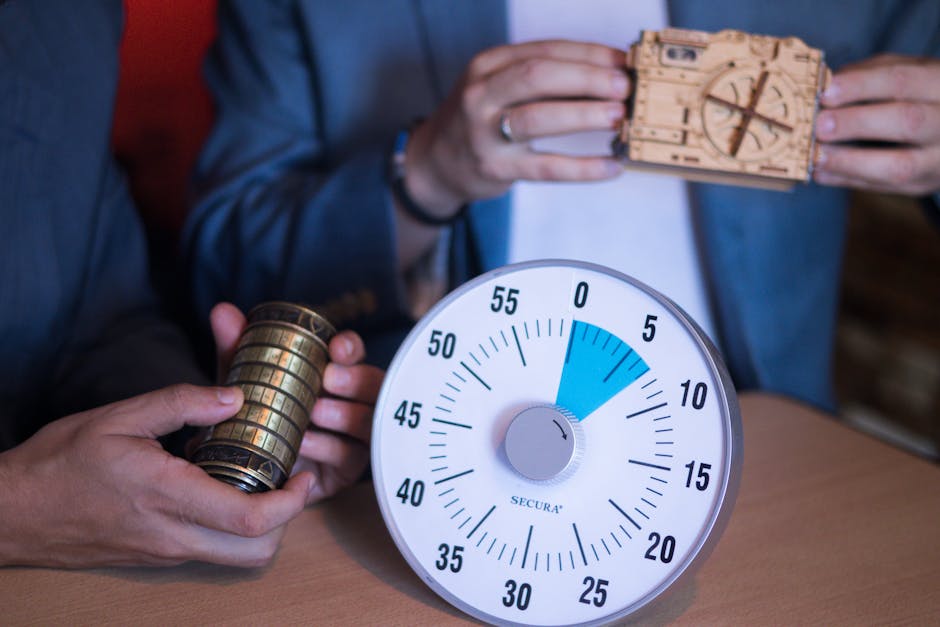
Try integrating rewards like extra hints, extra time, and choosing the next category into your next review session. Couple these with team question writing to give students ownership and make every round count. Your students will thank you for it in ohmypuns.com their improved retention and enthusiasm — and no candy required.