Spelling Games That Help With Tricky Letter Patterns
Spelling tricky letter patterns can be a real challenge for English learners and native speakers alike. Words with unusual combinations of vowels and consonants, silent letters, or double letters often trip up even confident spellers. Fortunately, spelling games designed with real learning principles can turn those challenges into opportunities for improved skills and confidence.
In this post, we’ll explore effective spelling games that specifically target letter pattern practice. We’ll also highlight the importance of active recall over passive recognition, explain how feedback loops keep repetition fresh and effective, and discuss how context shapes meaning and register in spelling. Plus, for those keen on specialized vocabulary—whether for a favorite hobby or game type—we’ll explain how tailored quizzes can make practice both relevant and fun. To tie it all together, we’ll reference Spelling Bee Ninja, an app and quiz resource designed for exactly these purposes.
Why Tricky Letter Patterns Need Targeted Practice
English spelling is famously tricky due to its history of borrowing words from many languages, inconsistent pronunciation rules, and nuanced letter pattern systems. For example:
- Silent letters: like the ‘k’ in knight or the ‘b’ in dumb
- Vowel teams: such as ‘ea’ in bread (short vowel) vs ‘ea’ in bead (long vowel)
- Double letters: like the ‘tt’ in butter or ‘ss’ in address
- Suffix patterns: changing ‘y’ to ‘i’ in happiness or dropping ‘e’ before adding ‘ing’ as in rate → rating
Simply reading or flashcards with word lists won’t cut it. You need focused practices that make these patterns stick in your mind by forcing your brain to retrieve and apply them. That’s where active recall and spelling challenges come in.
Active Recall Beats Passive Recognition
One of the most important principles in effective learning is the difference between passive recognition and active recall. It’s easy to look at a word and say, “Yeah, I know that spelling.” But spellingbee.ninja can you spell it yourself without seeing it? That’s the true test and what helps create permanent learning.
Active recall means forcing your brain to produce the spelling from memory rather than just recognizing it when you see it. Spelling games that require typing or writing the word, rather than multiple-choice questions, engage your brain deeper. This strengthens memory pathways and reduces the chance you’ll forget or confuse letter patterns later.
The Spelling Bee Ninja quizzes emphasize this recall approach by prompting you to spell words accurately without hints. Their interactive format challenges you to produce exact letter patterns under timed conditions, making practice both effective and thrilling.
Feedback Loops and Repetition Without Boredom
Repetition is essential to mastering tricky spellings, but we all know how boring drilling can get quickly! The key to sustainable progress is feedback loops that guide you with corrections and encouragement, combined with gamified elements that keep engagement high.
- Immediate feedback: When you misspell a tricky pattern, the game shows the correct form right away. This helps you connect the mistake to the right pattern instantly, reinforcing learning.
- Incremental difficulty: Games that start easy and gradually introduce harder words prevent overwhelm while steadily expanding your skills.
- Score and milestone tracking: Seeing your improvement over time motivates continued practice without burnout.
Spelling Bee Ninja quizzes feature this type of adaptive feedback, offering hints only after multiple attempts, and keeping you alert with a timer that encourages thoughtful recall rather than guessing.
Context Changes Meaning and Register in Spelling
Spelling doesn’t happen in a vacuum. The context where a word is used—its meaning and register (formal vs informal, literary vs slang)—can influence which letter patterns are appropriate or most common.

For example, consider the words:
Word Context Notes on Spelling and Register Colour (British) British English Extra ‘u’ reflects British spelling conventions; U.S. English spells it as color Phonogram Education/linguistics Technical term related to letter-sound correspondences Cool (slang) Informal speech Simple, straightforward spelling matches pronunciationBy practicing spelling in various contexts, you become more adept at choosing and remembering the right form for your purpose. This awareness is especially helpful when learning specialized vocabulary in hobbies or specific games.
Building Specialized Vocabulary by Hobby and Game Type
Are you into cooking, music, sports, or maybe fantasy roleplaying games? Each field comes with its own vocabulary and tricky spelling challenges. Mastering these can boost your confidence and make your communication richer and more precise.
For example, an aspiring baker might struggle with words like meringue, ganache, or macaron. A sports fan may find coordinate, athlete, or tournament tough. And fantasy gamers often wrestle with unusual spellings in words like necromancer or wyrm.
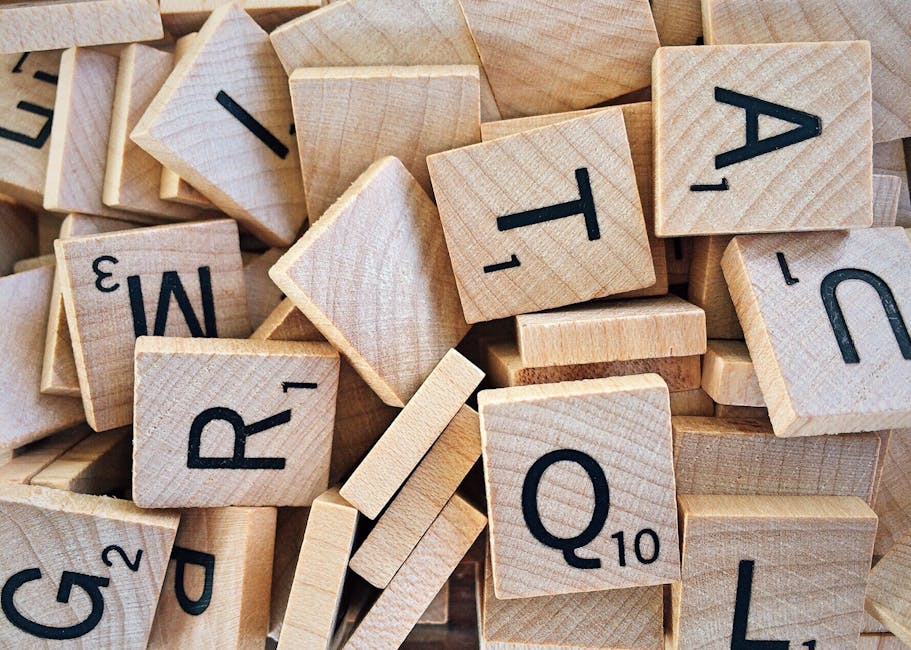
Tailored quizzes that incorporate vocabulary from your interests can make practicing these spellings feel personalized rather than tedious. The Preparation Tests and Quizzes section on Spelling Bee Ninja offers themed word collections, so you can play spelling games built around your favorite hobbies and game types.
Try Spelling Bee Ninja: An All-in-One Spelling Challenge Platform
If you’re looking for a reliable way to sharpen your spelling skills — no fluffy promises, just solid practice — Spelling Bee Ninja is worth checking out. Here’s why:
- Engaging spelling games: The platform uses timed quizzes that test active recall under pressure, simulating real spelling bee environments.
- Variety of letter pattern practice: From silent letters to vowel teams and tricky suffixes, the quizzes cover everything you need for difficult spellings.
- Personalized progress tracking: Monitor your improvement and receive tailored word lists based on your weak spots.
- Cross-platform access: Use on the go with their mobile app, available at getapp.spellingbee.ninja.
- Hobby and theme-based vocabulary: Practice the words you actually want to master, whether for school, work, or fun.
Plus, this tool respects the reality that mistakes are learning opportunities, not failures. When you spell a word incorrectly, the instant correction and example sentence help embed the right pattern—not just the definition without context.
Example Sentence from Spelling Bee Ninja:
"Though the mer ingue was difficult to spell, I remembered it’s a dessert made from whipped egg whites and sugar."How to Make the Most of Spelling Games for Tricky Letter Patterns
To get the best results from spelling games like Spelling Bee Ninja, keep these tips in mind:
- Practice regularly, but in short bursts: Aim for 10–15 minutes daily, rather than long, tiring sessions.
- Use the ‘words that fooled me’ approach: Keep a notebook (real or digital) of words you misspell and revisit them frequently.
- Try saying the word aloud before and after spelling it: This reinforces sound-letter connections and helps catch tricky patterns.
- Apply new words in your writing: Create sentences or short paragraphs using recently mastered spellings to deepen retention.
- Don’t be afraid of mistakes: Every error is a chance to sharpen your skills, so embrace feedback and try again.
Conclusion
Mastering tricky letter patterns in English spelling isn’t magic, and it doesn’t happen overnight. But with the right spelling games that prioritize active recall, meaningful feedback, and context-rich practice, you can conquer even the most formidable word challenges.
Explore the versatile resources at Spelling Bee Ninja quizzes and the Spelling Bee Ninja app to power your next spelling challenge today. Learn smarter, stay motivated, and soon those tricky letter patterns will feel like second nature.